ESTABLISHED 1997 · ADELAIDE, AUSTRALIA
Explore the AstroCollege Curriculum
A structured program of study designed to guide you from your very first steps in astrology through to professional-level education.
BEGIN HERE
Astrology Essentials — the foundation course for every student
Every student's journey begins with Astrology Essentials. This eleven-week foundation course introduces the core principles, language and structure of astrology, providing the ideal preparation before commencing the professional curriculum.
NEW CLASS ENROLMENTS
NOW OPEN FOR OUR NEXT SEMESTER
(FOUNDATION & NATAL STUDIES DIPLOMA COURSES AVAILABLE NOW)
CLICK THE IMAGE BELOW ↓
PROFESSIONAL STUDIES DIPLOMA COURSES AVAILABLE
CLICK THE IMAGE BELOW ↓
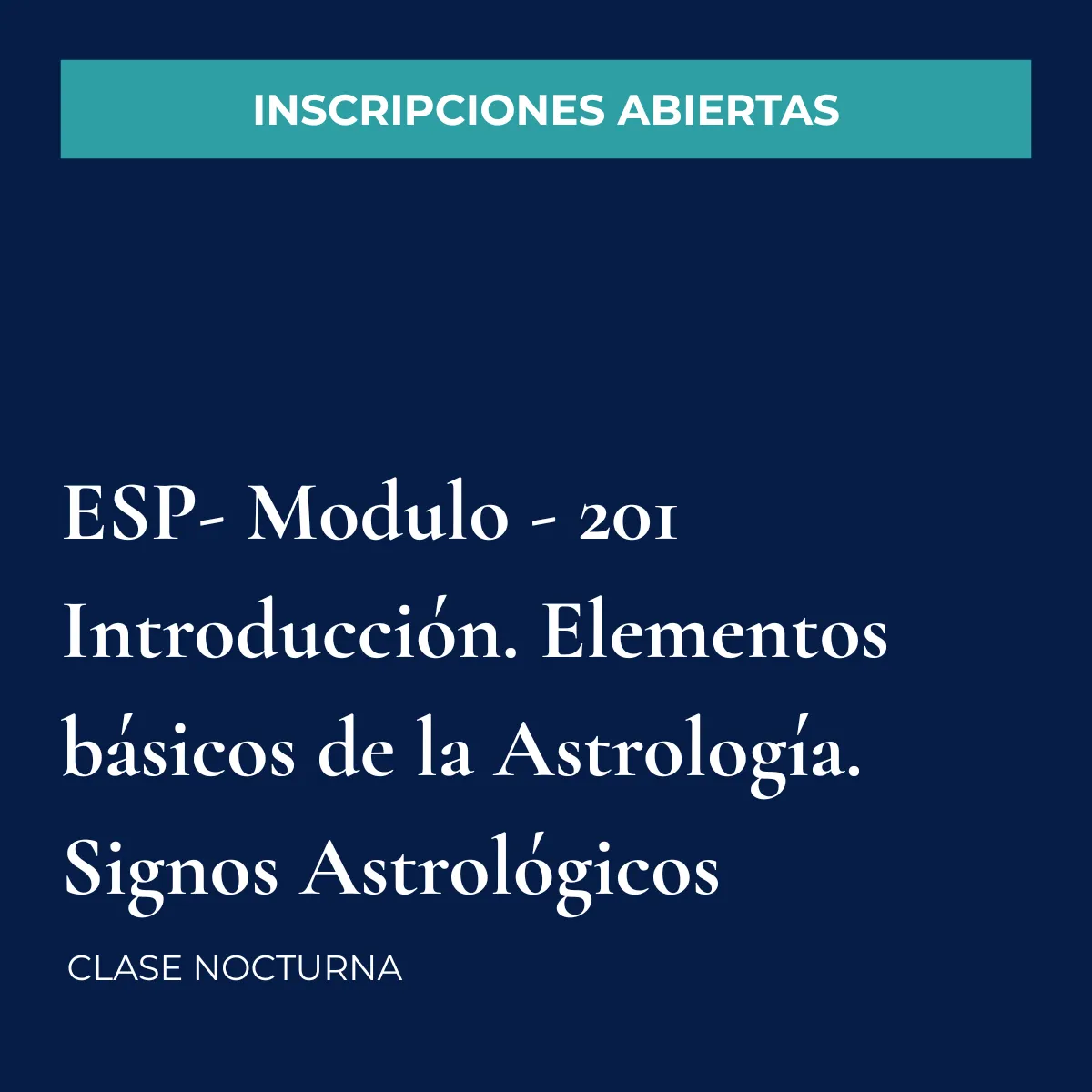
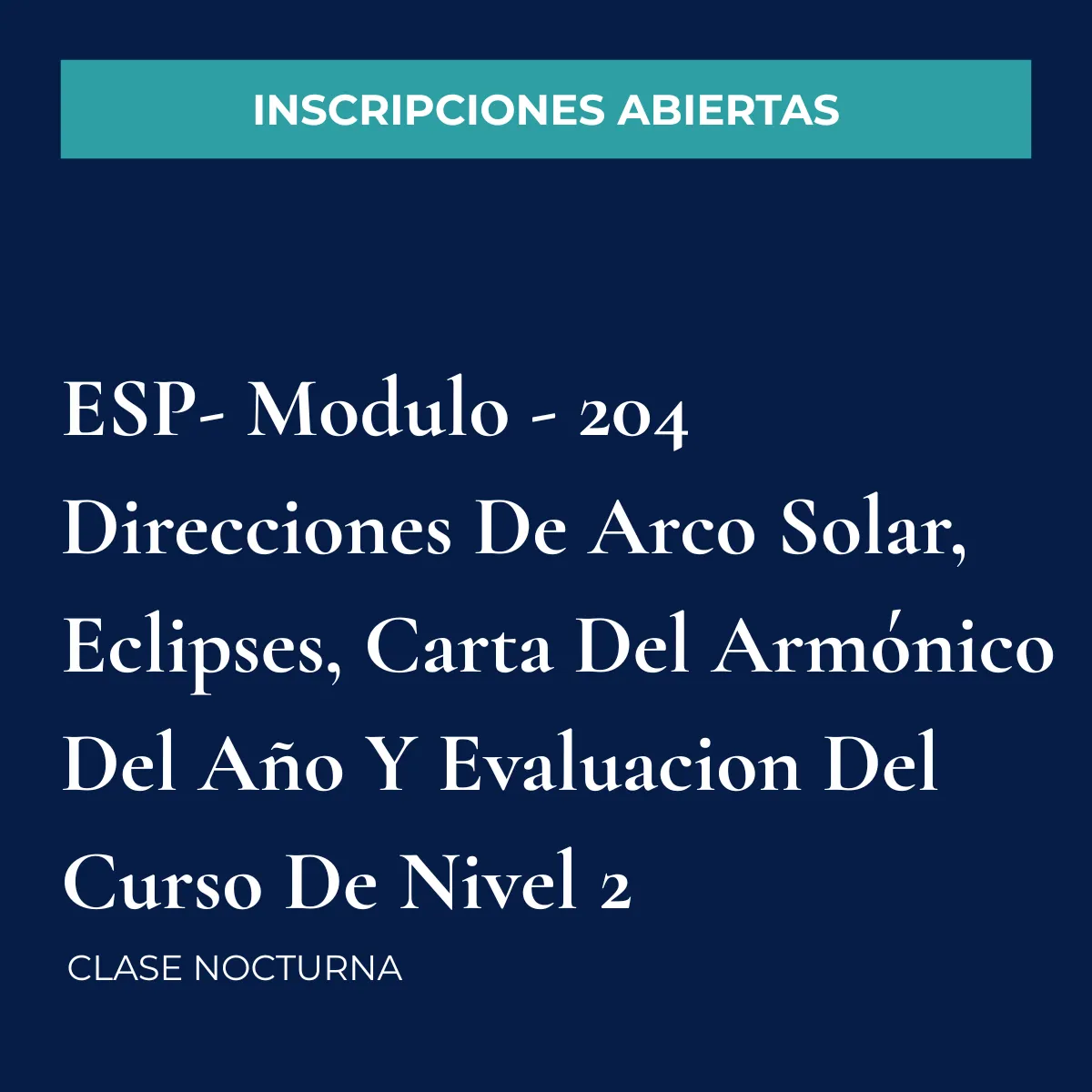
Your Astrology Journey Starts Here
Whether you're completely new to astrology, looking to deepen your personal understanding, or considering a future as a professional astrologer, the courses above are designed to help you take the next step with confidence.
At AstroCollege, we believe that great astrologers are built on strong foundations. Just as a house requires solid footings before the walls can be raised, astrology requires a clear understanding of the fundamentals before more advanced techniques can be mastered.
The courses featured above are the current classes available for enrolment and provide the ideal starting point for students at all levels. From understanding planets, signs, houses and aspects through to chart interpretation and professional consultation skills, each course builds upon the knowledge gained in the previous level.
A structured curriculum
since 1997
The complete AstroCollege curriculum pathway begins with:
NAT-1 through NAT-7 — Natal Astrology
PSM-1 through PSM-5 — Professional Skills Modules
Together, these subjects form the core of our Professional Astrology Diploma program and represent approximately four years of structured study. The curriculum has been refined, tested and taught to students around the world since 1997, combining traditional astrological principles with modern applications and professional practice.
Study at your own pace
Not everyone who studies astrology wants to become a professional astrologer, and that's perfectly fine. Many students enrol simply to better understand themselves, their family, relationships, life cycles and personal growth. Others begin with a personal interest and later discover a passion for professional practice.
Whatever your goal, AstroCollege allows you to learn step-by-step, building your knowledge in a logical and supportive environment.
Professional Diploma pathway
Students who complete the full curriculum — starting at Astrology Essentials, then NAT-1 through NAT-7 and PSM-1 through PSM-5 — may continue towards the AstroCollege Professional Astrology Diploma.
To qualify for the Diploma, students must also complete two elective subjects of their choice (such as Horary, Electional, Medical Astrology, Jyotish or Vibrational Astrology) and a research thesis. This ensures graduates not only possess technical astrological knowledge but also the practical skills, experience and research ability expected of a professional astrologer.
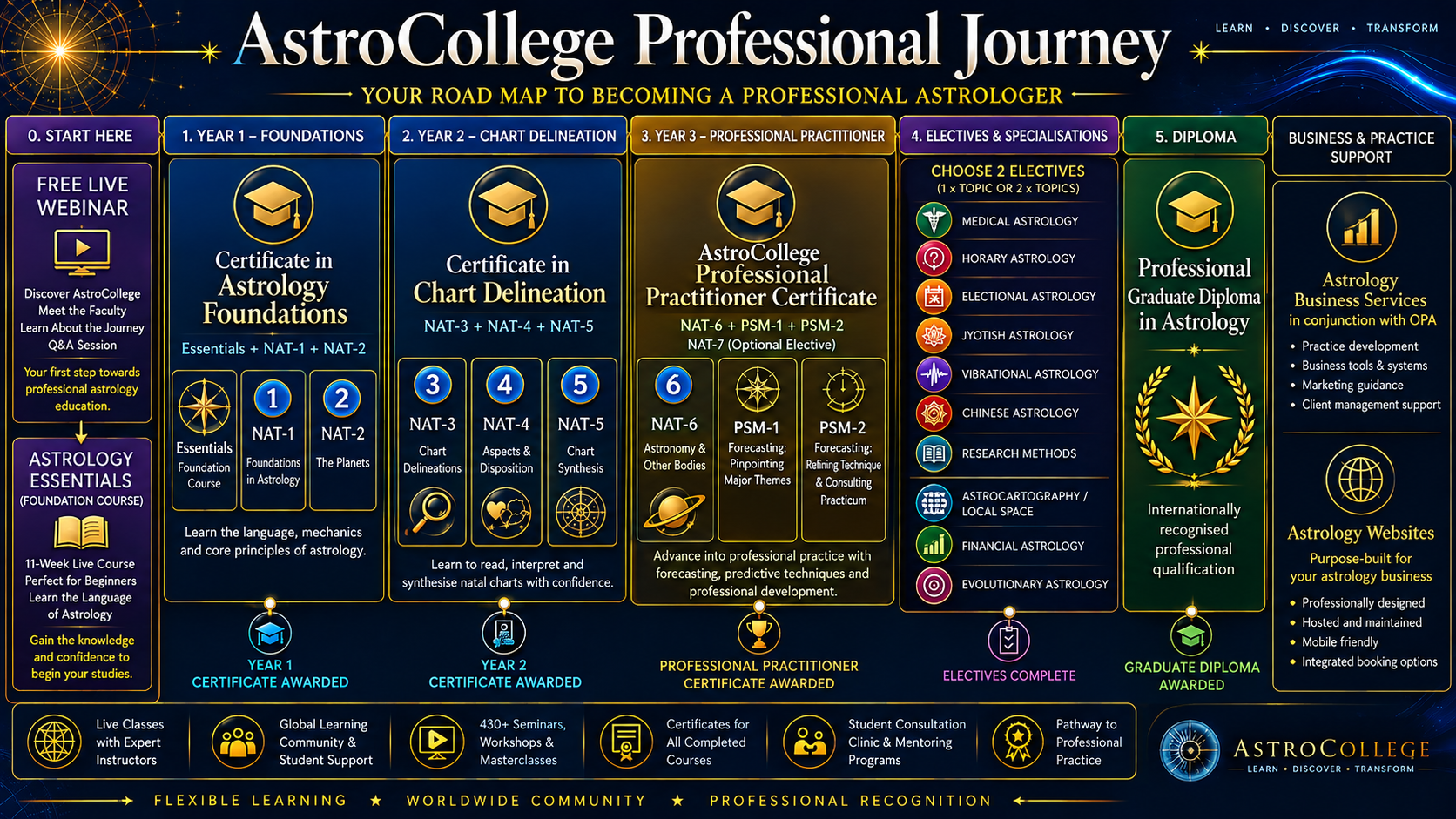
The pathway
Natal & Professional Studies
Year One

The horoscope's structure, the planets as significators, and the historical lineages of practice.
(All classes are held online via Zoom or GoToMeeting and are recorded if you can't make it!)
NAT-1: Astrology Essentials (SEMESTER 1)
Click to view the course outline→
Course Outline
Class 1: The Chart and the Hemispheres
Class 2: Quadrants and Houses
Class 3: The Signs and Glyphs
Class 4: Personal Planets and Their Glyphs
Class 5: Social Planets and Their Glyphs
Class 6: Transpersonal Planets and Their Glyphs
Class 7: Introduction to Aspects
Class 8: The Major Ptolemaic Planetary Aspects
Class 9: Adding the Angle
Class 10: The Lunar Phases
Class 11: Revision & Next Steps
NAT-1: Foundation In Astrology (SEMESTER 2)
Click to view the course outline→
Course Outline
Class 1: The Great Circles and the Horoscope Celestial Sphere Equator, Ecliptic, Horizon, Zenith, and Nadir Day and Night Charts (sect)
Class 2: Planetary Functions Role of the Planets Basic Meanings f the Visible Planets Basic Meanings of the Generational/Transpersonal Planets
Class 3: Elements ad Modalities The Signs of Polarity, Element, Mode Planets Ruling Signs
Class 4: Contemporary Temperament Patterns Marc Edmond Jones Temperament Pattern2
Class 5: Hemispheres and Quadrants Sect by Placement in North/South Hemisphere with the Sun Introduction to Primary and Secondary Motion
Class 6: Astrological Houses Introduction to the Problem of House Divisions Groupings of the Houses by Pairs and Triangles
Class 7: Planets and Houses Planets in a Sign, Planets Ruling a Sign and Planets Ruling the Matters of a House
Class 8: The Major Aspects plus Inconjuncts The Vocabulary of Aspects (Partile, Orb, Under The Beams, Combustion, Cazimi)
Class 9: Sect The Basics of Essential Dignity and Debility Rulership vs. Affinity; Rulership, Detriment, Exaltation, Fall
Class 10: Introduction to Dispositors and Their Patterns
Class 11: Putting It Together; Chart Practicum
Class 12: Final Exam
NAT-2: The Planets (SEMESTER 3)
Click to view the course outline→
Course Outline
Class 1: Overview: The Many Roles of the Planets Planets as Nouns (Significators) and Planets as Verbs (Actions)
Class 2: Qualities of the Sun As An Archetype As a Noun or Verb
Class 3: Qualities of the Moon As An Archetype As a Noun or Verb
Class 4: Qualities of the Planets – Mercury As An Archetype As a Noun or Verb
Class 5: Qualities of the Planets – Venus and Mars As An Archetype As a Noun or Verb
Class 6: Qualities of Jupiter and Saturn As An Archetype As a Noun or Verb
Class 7: Qualities of the Transpersonal Planets Uranus, Neptune and Pluto
Class 8: Essential Dignities Looking Closer at Planetary Conditions
Class 9: Accidental Dignities Looking Closer at Planetary Conditions
Class 10: Interpretation Practice Technique – The Helmsman
Class 11: Chart Practicum
Class 12: Final Exam
NAT-2: The Planets
(SEMESTER 3)
Click to view the course outline→
Course Outline
Class 1: Overview: The Many Roles of the Planets Planets as Nouns (Significators) and Planets as Verbs (Actions)
Class 2: Qualities of the Sun As An Archetype As a Noun or Verb
Class 3: Qualities of the Moon As An Archetype As a Noun or Verb
Class 4: Qualities of the Planets – Mercury As An Archetype As a Noun or Verb
Class 5: Qualities of the Planets – Venus and Mars As An Archetype As a Noun or Verb
Class 6: Qualities of Jupiter and Saturn As An Archetype As a Noun or Verb
Class 7: Qualities of the Transpersonal Planets Uranus, Neptune and Pluto
Class 8: Essential Dignities Looking Closer at Planetary Conditions
Class 9: Accidental Dignities Looking Closer at Planetary Conditions
Class 10: Interpretation Practice Technique – The Helmsman
Class 11: Chart Practicum
Class 12: Final Exam
Year Two
Aspect theory, midpoint work, and the move from technique into confident delineation.
(All classes are held online via Zoom or GoToMeeting and are recorded if you can't make it!)
NAT-3: Deepening Chart Delineations (SEMESTER 4)
Click to view the course outline→
Course Outline
Class 1: Historical Overview History and Lineages of Astrology History of Different Types of Techniques
Class 2: House Systems: Introducing Placidus
Class 3: Working with Interceptions
Class 4: The Angles - Difference between the Angles and Angular Houses
Class 5: Lunar Nodes and Eclipses
Class 6: Other Calculated Points – Arabic Parts Part of Fortune/Part of Spirit Antiscia, Vertex
Class 7: Retrogrades and Synodic Cycles Retrograde Cycles and Inferior Planets Retrograde Cycles of Superior Planets Synodic Cycles
Class 8: Lunar Phases Using Phases in Aspects
Class 9: Other Points – The Big Four plus Chiron Ceres, Vesta, Juno, Pallas Athena, Chiron
Class 10: Interpretation: Working with the Grammar of the Chart
Class 11: Chart Practicum
Class 12: Final Exam
NAT-4: Aspects and Disposition (SEMESTER 5)
Click to view the course outline→
Course Outline
Class 1: Aspects, Orbs, and Configurations
Class 2: Hard Aspects
Class 3: Soft Aspects and their Configurations
Class 4: Aspects by Latitude
Class 5: Minor Aspects I
Class 6: Minor Aspects II
Class 7: Close Aspect Networks
Class 8: Midpoints I
Class 9: Midpoints II
Class 10: Midpoints III
Class 11: Practical Application Standouts and Review
Class 12: Final Exam
Appendix: Aspects and Sacred Numbers
NAT-5: Chart Synthesis (SEMESTER 6)
Click to view the course outline→
Course Outline
Week 1: Discussion of Classical and Modern Approaches to Delineation. Mystery Chart 1
Week 2: Mystery Chart 1 — Continue work on Mystery Chart 1
Week 3: Mystery Chart 2
Week 4: Mystery Chart 2 — Continue work on Mystery Chart 2 k
Week 5: Mystery Chart 3 and Client Speak
Week 6: Mystery Chart 3 and Issue Driven Questions
Week 7: Mystery Chart 4
Week 8: Mystery Chart 4 — Continue working with Mystery Chart 4, Explain exam procedure
Week 9: Exam week (no class)
Year Three
Astronomy behind the chart, hand calculation, and the classical timing techniques.
(All classes are held online via Zoom or GoToMeeting and are recorded if you can't make it!)
NAT-6: Astronomy & Other Bodies (SEMESTER 7)
Click to view the course outline→
Course Outline
Class Meeting 1: Motions of the Earth
Class Meeting 2: The Zodiacs and Systems of Measurement
Class Meeting 3: Planetary Nodes and Celestial Latitude
Class Meeting 4: Elongation, Altitude, and Antiscia
Class Meeting 5: Declination, Parallels, Contra-Parallels and Out Of Bounds
Class Meeting 6: Fixed Stars and the Ptolemaic Cosmos
Class Meeting 7: Practical Applications of Lessons 1-6
Class Meeting 8: Astronomy and Other Bodies
Class Meeting 9: Arabic Parts/Lots
Class Meeting 10: Derived Houses and Derivative Charts
Class Meeting 11: Chart Practicum: Career Focus
Class Meeting 12: Exam
NAT-7: Chart Calculations (SEMESTER 8)
Click to view the course outline→
Course Outline
Class 1: Time, Relationship Between Time and Distance, Standard Time, Time Zones, Sidereal Time, MC
Class 2: Ephemeris. Calculating Greenwich Mean Time
Class 3: Calculating the positions of planets. Planetary factor. Retrograde planets. Lunar Nodes
Class 4: Local Sidereal Time, Calculating LST. Intermediate Longitudes and Constant Decimal (CD), Tables. Calculating Midheaven for Intermediate Longitudes
Class 5: Tables. Calculating House Cusps. Drawing a chart
Class 6: Calculations for Intermediate Latitudes. Solar Charts and Natural Charts
Class 7: Chiron. Vertex. Midpoints. Declinations
Class 8: Exam
All classes are held online via Zoom or GoToMeeting and are recorded if you can't make it!
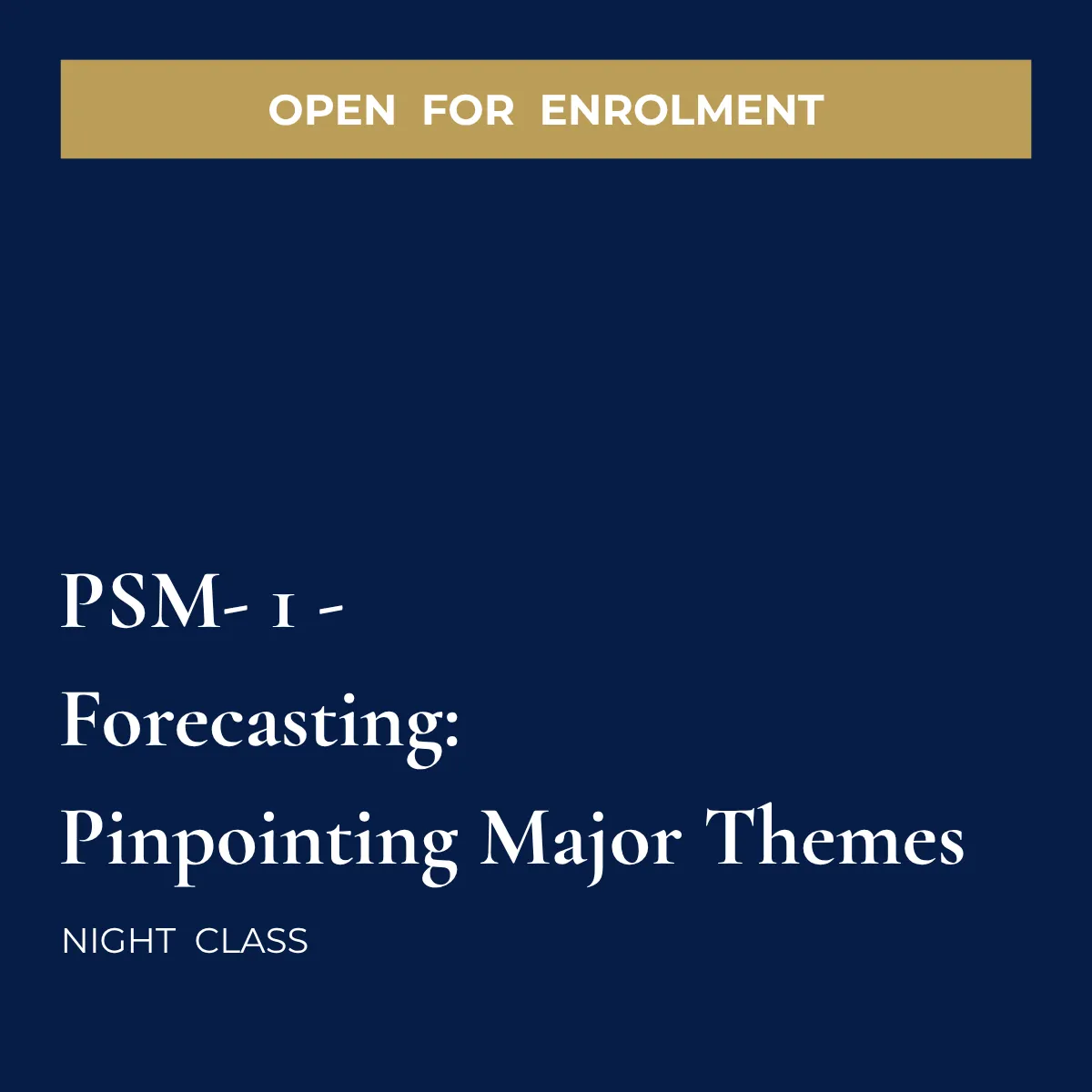
PSM-1: Forecasting: Pinpointing Major Themes (SEMESTER 8)
Click to view the course outline→
Course Outline
Class 1: Profections
Class 2: Firdaria / Zodiacal Releasing
Class 3: Classic Solar Returns
Class 4: Modern Solar Returns
Class 5: The Mathematics Behind Secondary Progressions
Class 6: Midterm Exam
Class 7: Understanding Secondary Progressions
Class 8: Using Planetary Cycles for Understanding Life Phases
Class 9: Final Exam
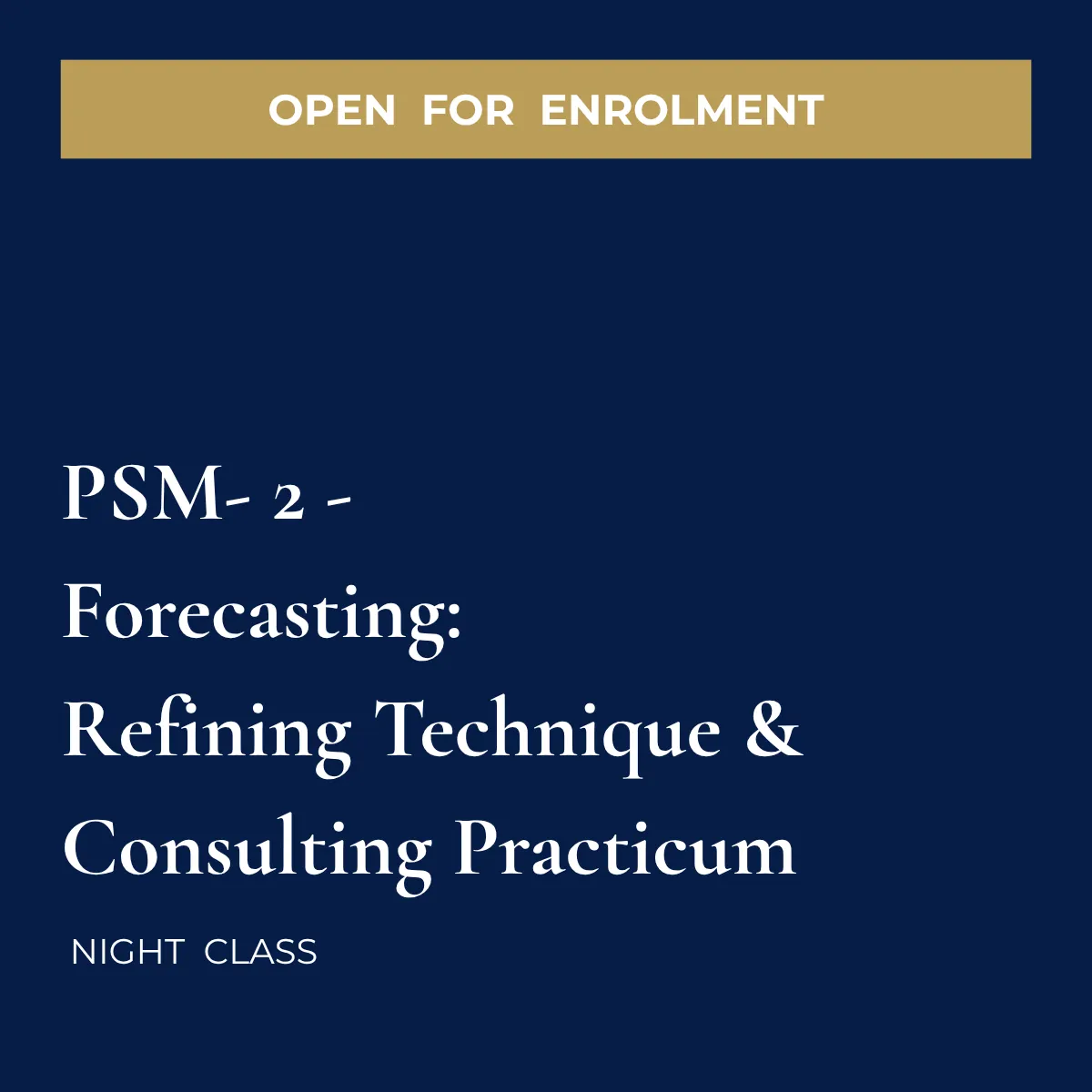
PSM-2: Forecasting: Refining Technique & Consulting Practicum (SEMESTER 8)
Click to view the course outline→
Course Outline
Class 1: Using Primary Directions, Solar Directions, Tertiary and Minor Progressions
Class 2: Using Progressed Declinations
Class 3: Forecasting with Eclipses
Class 4: Bringing It All Together: Combining Method and Message for the Client
Class 5: Midterm Exam
Class 6: Mystery Chart #1 and Consultation
Class 7: Mystery Chart #2 and Consultation
Class 8: Mystery Chart #3 and Consultation
Class 9: Final Exam
NAT-7: Chart Calculations (OPTIONAL - Essential for Diploma)
Click to view the course outline→
Course Outline
Class 1: Time, Relationship Between Time and Distance, Standard Time, Time Zones, Sidereal Time, MC
Class 2: Ephemeris, Calculating Greenwich Mean Time
Class 3: Calculating the Positions of Planets, Planetary Factors, Retrograde Planets, Lunar Nodes
Class 4: Local Sidereal Time, Calculating LST, Intermediate Longitudes and Constant Decimal (CD), Tables, Calculating Midheaven for Intermediate Longitudes
Class 5: Tables, Calculating House Cusps, Drawing a Chart
Class 6: Calculations for Intermediate Latitudes, Solar Charts and Natural Charts
Class 7: Chiron, Vertex, Midpoints, Declinations
Class 8: Exam
Year Four
Advanced forecasting, relationship astrology, professional ethics and client storytelling.
(All classes are held online via Zoom or GoToMeeting and are recorded if you can't make it!)
PSM 3: Relationship Astrology (SEMESTER 9)
Click to view the course outline→
Course Outline
Class 1: Relationship Patterns: The Capacity for Relationship
Class 2: Relationship Patterns & Synastry
Class 3: The Midpoint Composite
Class 4: The Davison Composite
Class 5: Family and Group Dynamics
Class 6: Review of Synastry, Combined Charts
Class 7: Planetary Resonance Cycles
Class 8: Practice: Synastry and Combined Charts
Class 9: Final Exam
PSM 4: Professionalism & Ethics in Astrology (SEMESTER 10)
Click to view the course outline→
Course Outline
Class 1: Introduction. The What and Why of Ethics. Responsibility for Ethical Practice
Class 2: ISAR Ethics Standards and Guidelines
Class 3: NCGR, AFA, and AFAN Ethics Codes
Class 4: Do No Harm, Power and Dependence Issues – Boundaries
Class 5: Confidentiality
Class 6: Sexual Issues with Clients
Class 7: Counseling, Collegial Relationships
Class 8: Intellectual Property
Class 9: Prediction / Accuracy, Continuing Education
PSM 4: Professionalism & Ethics in Astrology
(SEMESTER 3)
Click to view the course outline→
Course Outline
Class 1: Introduction. The What and Why of Ethics. Responsibility for Ethical Practice
Class 2: ISAR Ethics Standards and Guidelines
Class 3: NCGR, AFA, and AFAN Ethics Codes
Class 4: Do No Harm, Power and Dependence Issues – Boundaries
Class 5: Confidentiality
Class 6: Sexual Issues with Clients
Class 7: Counseling, Collegial Relationships
Class 8: Intellectual Property
Class 9: Prediction / Accuracy, Continuing Education
PSM 5: Storytelling Techniques to Illustrate Readings (SEMESTER 11)
Click to view the course outline→
Course Outline
Class 1: The Value of Stories
Class 2: The Elements of a Story
Class 3: Practice, Practice, Practice!
Class 4: More About Stories
Class 5: More About Stories, II
Class 6: Review for the Final Exam
The full Natal and Professional Studies Module courses run for approximately 130 weeks across 4 years, with each course running for one semester. Completing this program will prepare you to graduate as a Professional Practicing Astrologer, ready to conduct your own astrology business and consultation practice.
An optional 5th year of Master's study and electives is also available, offering Business and Specialised Courses in particular areas of astrology, including Medical, Horary, Electional, and more. These specialised subjects form part of the requirements for the Diploma, along with a research thesis.
AstroCollege will run a new Astrology Essentials: Foundation Course at the beginning of each semester. However, enrolment numbers will determine which courses are offered and the number of classes available each semester.
All classes are recorded and made available to students to watch at a later time.
The Astrology Essentials: Foundation Course does not involve homework tasks or a final exam. All other courses include homework and a final exam.
Any questions about this package should be sent via email to:
[email protected]
START YOUR ASTROLOGY EDUCATION HERE
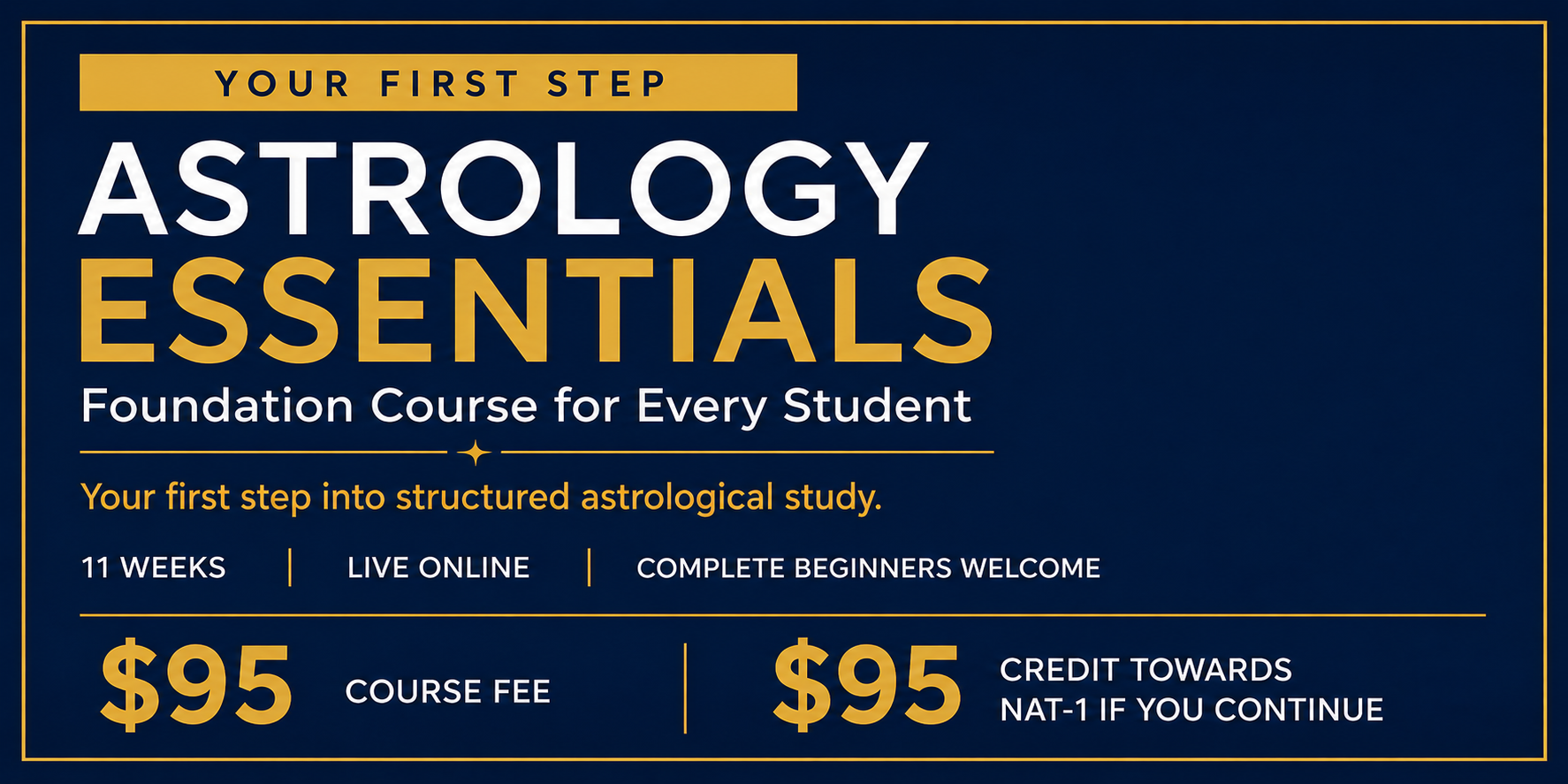
ENROLL IN THE
“ASTROLOGY ESSENTIALS – FOUNDATION COURSE FOR EVERY STUDENT”
AND JOIN OUR NEXT SEMESTER INTAKE
Empowering Your Life With Astrology!


